Nestlé

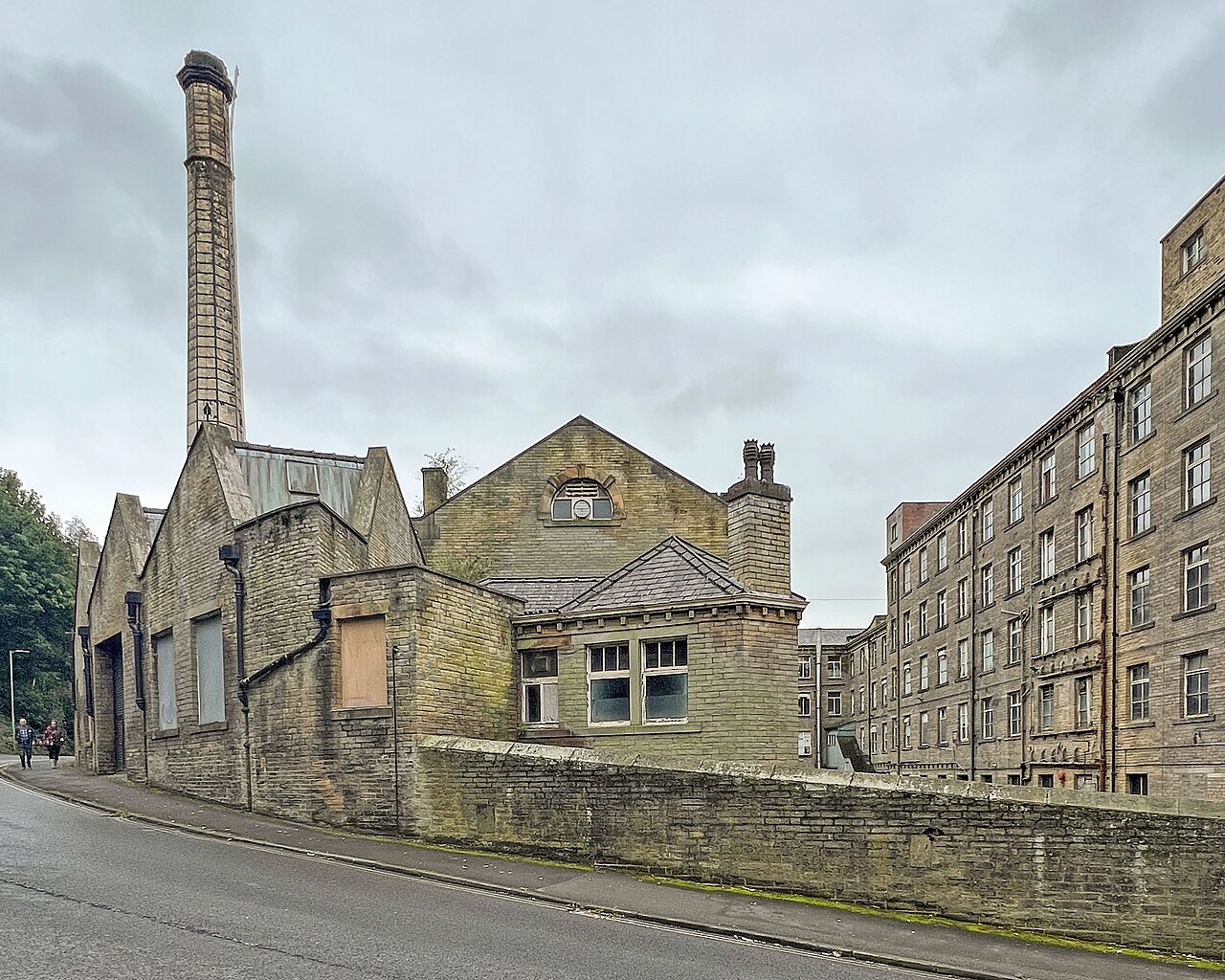
Jl FilpoC · CC BY-SA 4.0
Nestlé S.A. is a Swiss multinational food and drink processing conglomerate headquartered in Vevey, Switzerland.
- headquarters
- Vevey, Switzerland
- industry
- Food and drink processing
- key_products
- Coffee, tea, candy, bottled water, infant formula, dairy, frozen foods, breakfast cereals, pet foods, medical food
- notable_brands
- Nespresso, Nescafé, Kit Kat, Smarties, Maggi
Reader's Guide
Nestlé's significance lies in its transformation from a 19th-century infant formula and condensed milk producer into the world's largest food company by revenue. However, Nestlé has faced persistent criticism over its infant formula marketing in developing countries, child labor and deforestation in cocoa supply chains, price-fixing fines, water extraction practices, and plastic pollution. These controversies have shaped public perception and led to boycotts, yet the company remains a primary shareholder of L'Oréal and continues to operate as a central player in the global food industry.
Did You Know?
- Twenty-nine of Nestlé's brands have annual sales over 1 billion CHF, including Nespresso, Nescafé, Kit Kat, and Maggi.
- Nestlé is one of the primary shareholders of L'Oréal, the world's largest cosmetics company.
- The company faced a boycott in the 1970s for promoting infant formula in developing countries, discouraging breastfeeding.
From Two Rivals to One Giant
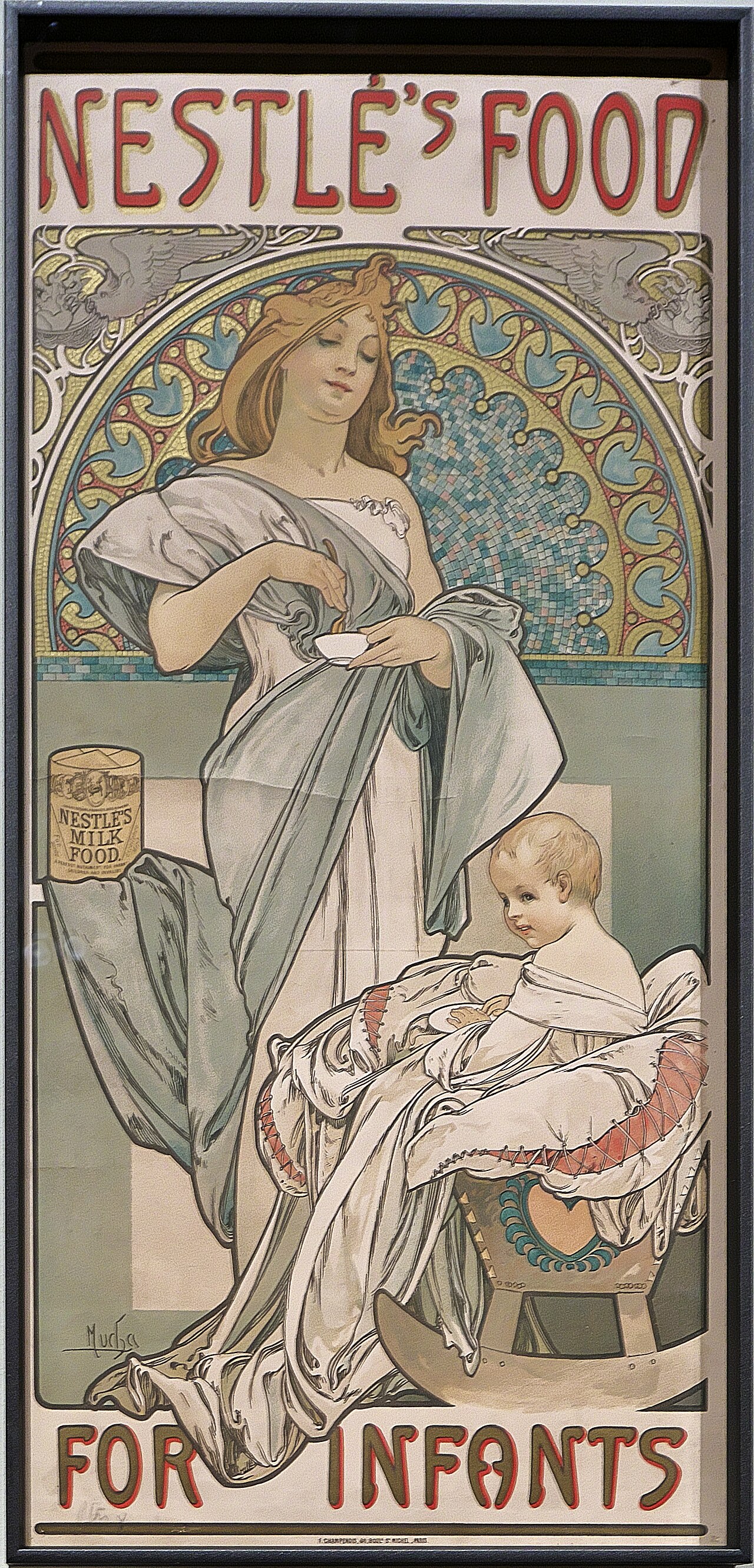
Nestlé did not spring into existence as a single entity. Its roots stretch back to the 1860s, when two separate Swiss ventures were born almost simultaneously. In 1866, two brothers from Lee County, Illinois—Charles Page, who also served as the U.S. consul to Switzerland, and George Ham Page—founded the Anglo-Swiss Condensed Milk Company in Cham. The following year, Henri Nestlé began marketing a milk-based baby food from Vevey, and his name would outlive his 1875 retirement, remaining attached to the company as Société Farine Lactée Henri Nestlé. The two firms quickly became direct competitors: by 1877–1878 each had added the other's signature product to its lineup. A pivotal collaboration came in 1879, when Nestlé's enterprise merged with Daniel Peter, who had spent seven years perfecting a milk-chocolate process and needed Nestlé's expertise to eliminate the moisture that caused mildew. The formal union of Anglo-Swiss and the Nestlé company arrived in 1905, creating the Nestlé and Anglo-Swiss Condensed Milk Company. The name evolved again in 1947 after the Maggi acquisition, settling into its current form in 1977.
Forged in War, Expanded by Acquisition
Two world wars shaped Nestlé's trajectory as much as any single business decision. During the First World War, government contracts for dairy products drove production to more than double its pre-war level. When the conflict ended and consumers returned to fresh milk, management responded by cutting debt and streamlining operations. The 1920s brought a new pillar: chocolate manufacturing rose to become the company's second-largest activity, and the following decade saw the creation of white chocolate under the Milkybar name. World War II hit harder—profits plunged from twenty million dollars in 1938 to just six million the next year—but Nestlé adapted by opening factories in South America and introducing Nescafé, which became a staple of the U.S. military while the company also held a supply contract with the German army. The post-war era unleashed a wave of acquisitions: Maggi in 1947, Crosse & Blackwell in 1960, Findus in 1963, Libby's and Ursina-Franck in 1971, and Stouffer's in 1973. Diversification pushed the company beyond food, with a stake in L'Oreal in 1974 and the purchase of Alcon Laboratories for two hundred eighty million dollars in 1977. By 1984, the Carnation acquisition at three billion dollars underscored how far the company had grown.
A Portfolio Without Equal
By any measure, Nestlé occupies a singular position in the global food and beverage landscape. Since 2014 it has held the title of the world's largest publicly traded food company by revenue, placing sixty-fourth on the Fortune Global 500 in 2017 and fiftieth on the Forbes Global 2000 in 2023. As of 2025, the company runs three hundred thirty-five factories across one hundred eighty-five countries and employs roughly two hundred seventy-one thousand people. Its product range is staggering: coffee and tea, candy and confectionery, bottled water, infant formula and baby food, dairy and ice cream, frozen meals, breakfast cereals, dry packaged foods and snacks, pet food, and even medical nutrition. Twenty-nine of its brands clear the one-billion-Swiss-franc annual sales threshold—about one point one billion U.S. dollars—names that include Nespresso, Nescafé, Nestea, Kit Kat, Smarties, Nesquik, Stouffer, Vittel, and Maggi. Beyond food, Nestlé is one of the principal shareholders of L'Oreal, the world's largest cosmetics house, a connection that stretches back to 1974.
The Shadow Side
Alongside its commercial success, Nestlé has endured persistent and serious criticism. Perhaps the most visible controversy erupted in the 1970s, when the company's promotion of infant formula in developing countries was accused of discouraging breastfeeding, sparking a widespread boycott. In the cocoa supply chain, particularly in West Africa, Nestlé has been criticized over links to child labor, forced labor, and deforestation. The company has also been fined for participation in price-fixing cartels, a violation that struck at the core of fair-market competition. Environmental concerns have mounted as well: critics have challenged Nestlé's water extraction practices, and the company has drawn fire for its role in plastic pollution. These controversies span decades and continents, reflecting the enormous complexity of operating in one hundred eighty-five countries while managing a supply chain that touches agriculture, manufacturing, and retail at every level.
Gallery
Frequently Asked Questions
What products and brands does Nestlé control?
Its portfolio covers coffee, tea, candy, bottled water, infant formula, dairy, frozen foods, breakfast cereals, pet food, and medical nutrition. The most widely recognized names under its umbrella include Nespresso, Nescafé, Kit Kat, Smarties, and Maggi.
More in Corporations 1-22
Spotted an error? Know more?
This is a living reference — every entry is fact-audited, and reader corrections feed straight into our audit queue. Suggest an edit · See this site's audit record