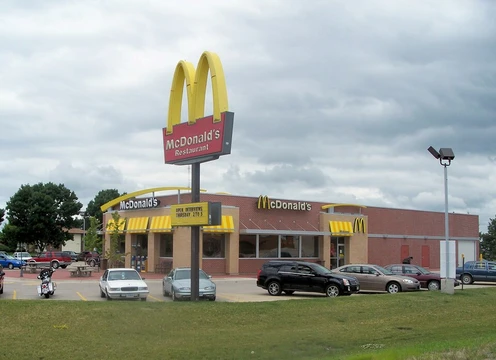
McDonald's
American fast food chain with global reach.

Dinkun Chen · CC BY-SA 4.0
McDonald's Corporation is an American multinational fast food restaurant chain. The company has become a symbol of globalization and the spread of the American way of life.
- Founders
- Richard and Maurice McDonald
- Field
- Fast food restaurant chain
- Nationality
- American
- Known for
- Speedee Service System, Golden Arches, Big Mac, French fries
Reader's Guide
McDonald's significance lies in its pioneering of the fast-food model through the Speedee Service System, which streamlined production and influenced the global restaurant industry. The company generates revenue from company-operated sales and franchise fees, owning about 56% of land and 80% of buildings in consolidated markets. McDonald's menu, centered on hamburgers and French fries, includes localized items worldwide, such as McRice in Indonesia and millet-based buns in India. The chain has faced criticism over nutrition, animal treatment, environmental impact, and labor practices.
Did You Know?
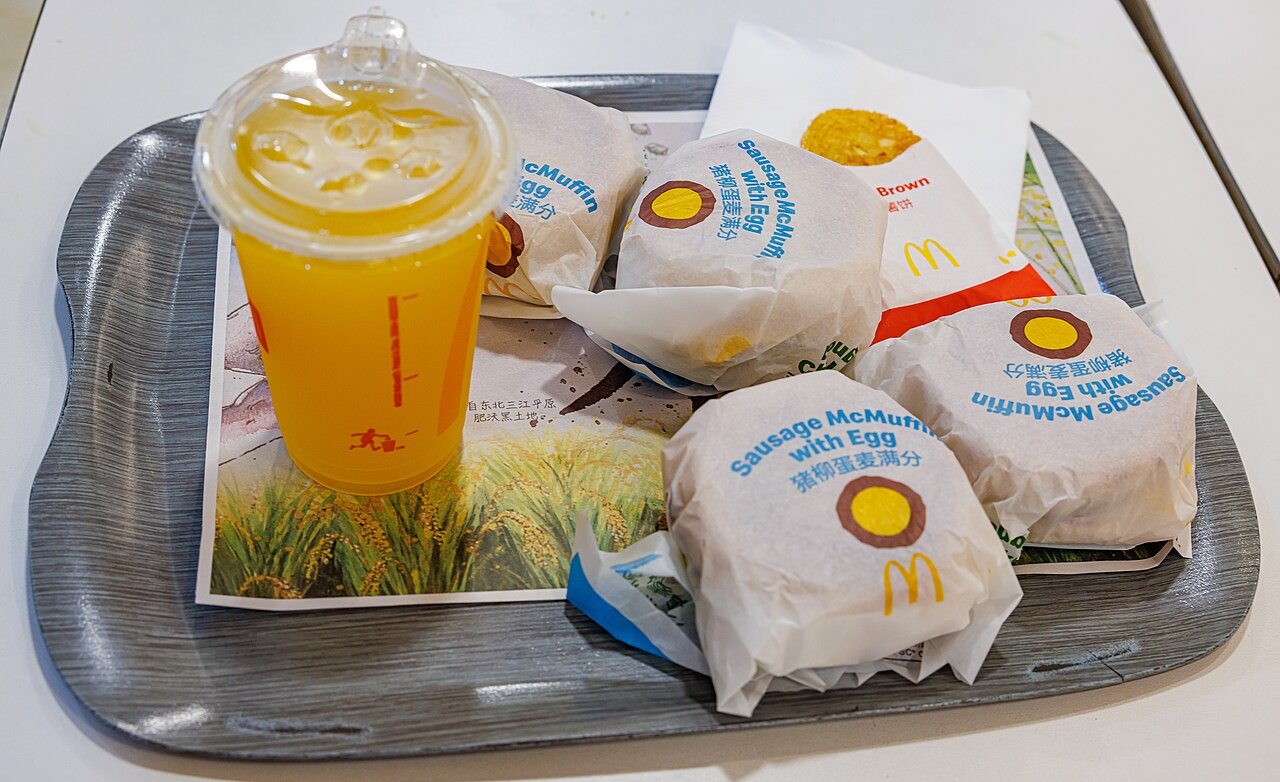
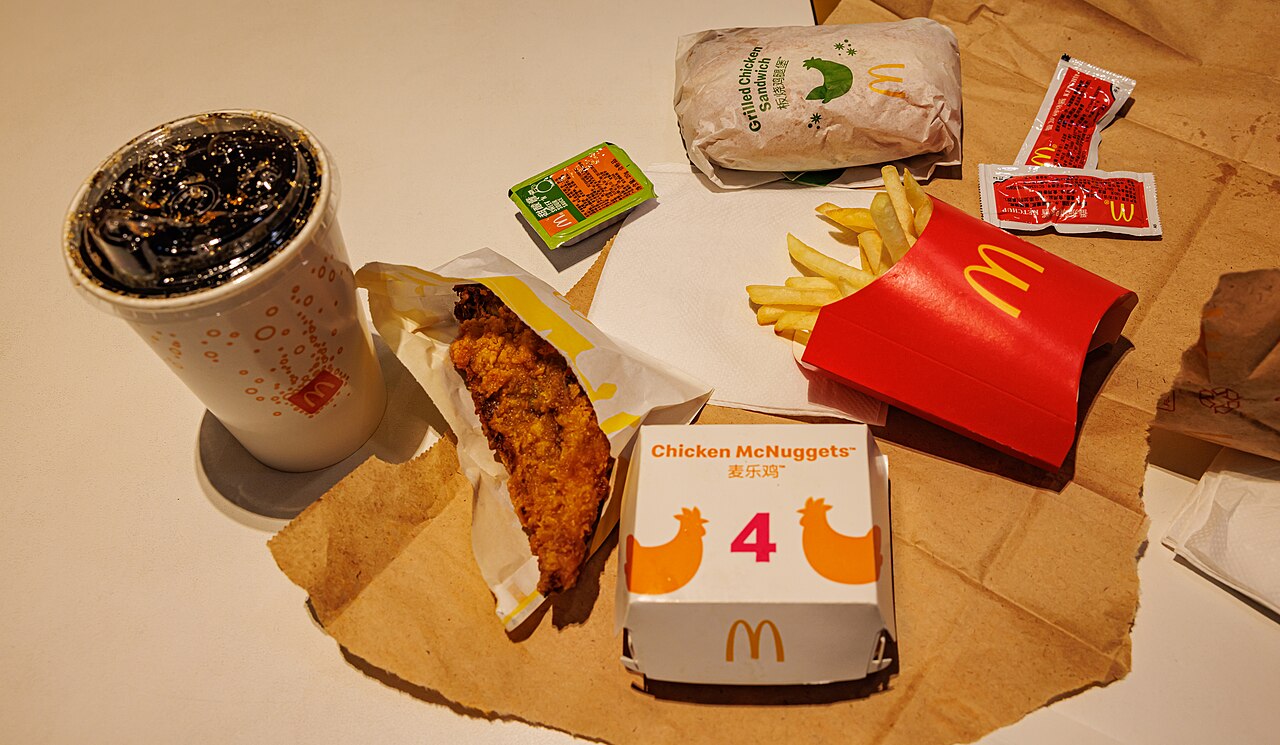
- McDonald's restaurants in China include fried buns and soybean milk on their breakfast menus.
Origins & the Speedee Service System
The McDonald brothers Richard and Maurice opened their first restaurant on May 15, 1940, at 1398 North E Street in San Bernardino, California, driven by a personal ambition to earn a million dollars before reaching fifty. By 1948, they had revolutionized how a burger joint operated. Their Speedee Service System eliminated the 20 carhops on staff, swapped silverware and plates for paper wrappings and cups (removing the need for a dishwasher), and slashed the menu down to just nine items: hamburgers, cheeseburgers, three soft drink flavors in a single 12-ounce size, milk, coffee, potato chips, and pie. Richard McDonald later summed up the philosophy as speed, lower prices, and volume. The system built on principles White Castle had pioneered more than two decades earlier, but the brothers scaled it into something entirely new. The original mascot, a hamburger-headed chef called Speedee, gave way to the Golden Arches in 1962, and by 1963, Ronald McDonald the clown was introduced to court younger customers.
Ray Kroc & the Franchise Revolution
Ray Kroc, a businessman who became a McDonald's franchise agent in 1955, is credited by the corporation with its founding on April 15 of that year. His first restaurant opened in Des Plaines, Illinois. What followed was a fierce struggle for control between Kroc and the McDonald brothers, a conflict Kroc himself documented in his autobiography. In 1961, Kroc purchased the brothers' equity stake for $2.7 million (roughly $29 million in today's dollars), effectively driving Richard and Maurice out of the industry. From that point, Kroc oversaw the company's domestic and international expansion, transforming a regional California operation into a global symbol of American culture. The original San Bernardino restaurant was eventually torn down in 1971; by 1998 the site was sold to the Juan Pollo chain, which now uses the area as its headquarters alongside a Route 66 museum. Kroc's aggressive business style and vision for franchising turned a modest burger stand into what would become one of the world's largest restaurant systems.
Business Model & Global Scale
McDonald's operates on a franchise-heavy model. By the end of 2025, the system spanned 45,356 restaurants across more than 100 countries, with approximately 95 percent of those locations run by independent franchisees rather than the corporation itself. Revenue flows from two main streams: direct sales at company-operated restaurants, and the rent, royalties, and fees collected from franchise partners. The company's real-estate strategy is particularly notable: within its consolidated markets, McDonald's owned roughly 56 percent of the land and 80 percent of the restaurant buildings, meaning the corporation profits from property as much as from food. On the employment side, McDonald's directly employed more than 150,000 people, while an additional two million or more worked at independently operated franchised restaurants. This structure allowed the brand to scale rapidly without bearing the full operational cost of every location, cementing its position as a global institution.
Menu Evolution & Health Reforms
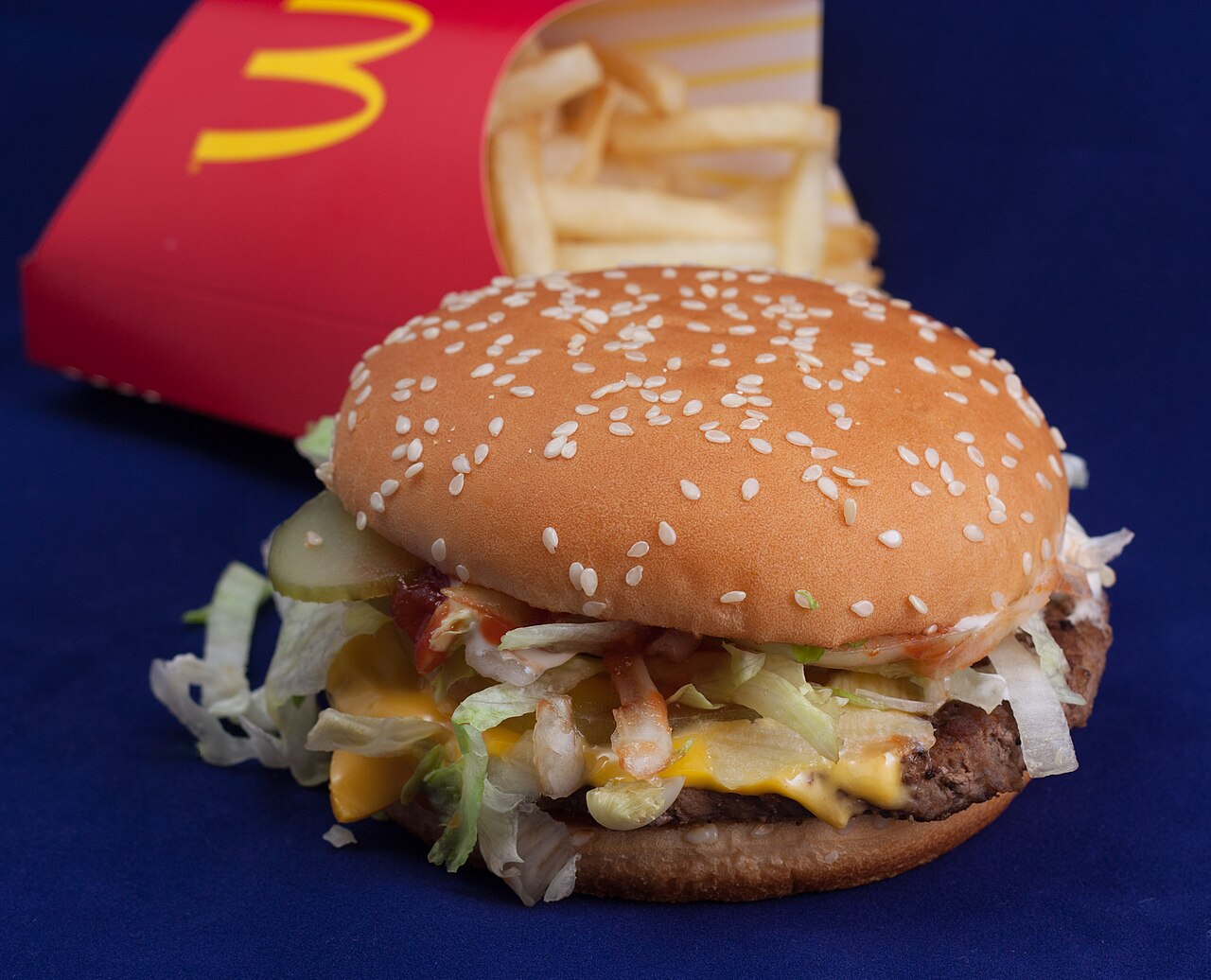
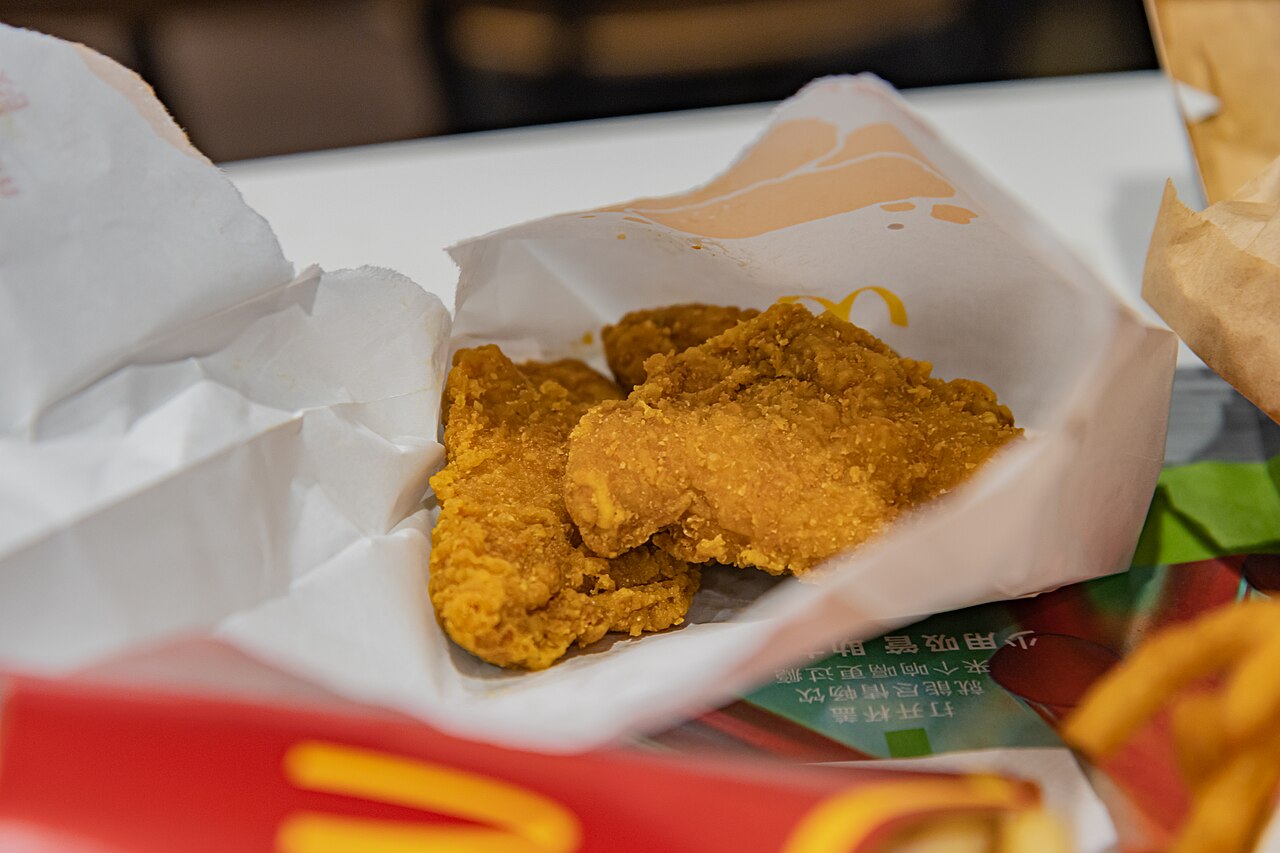
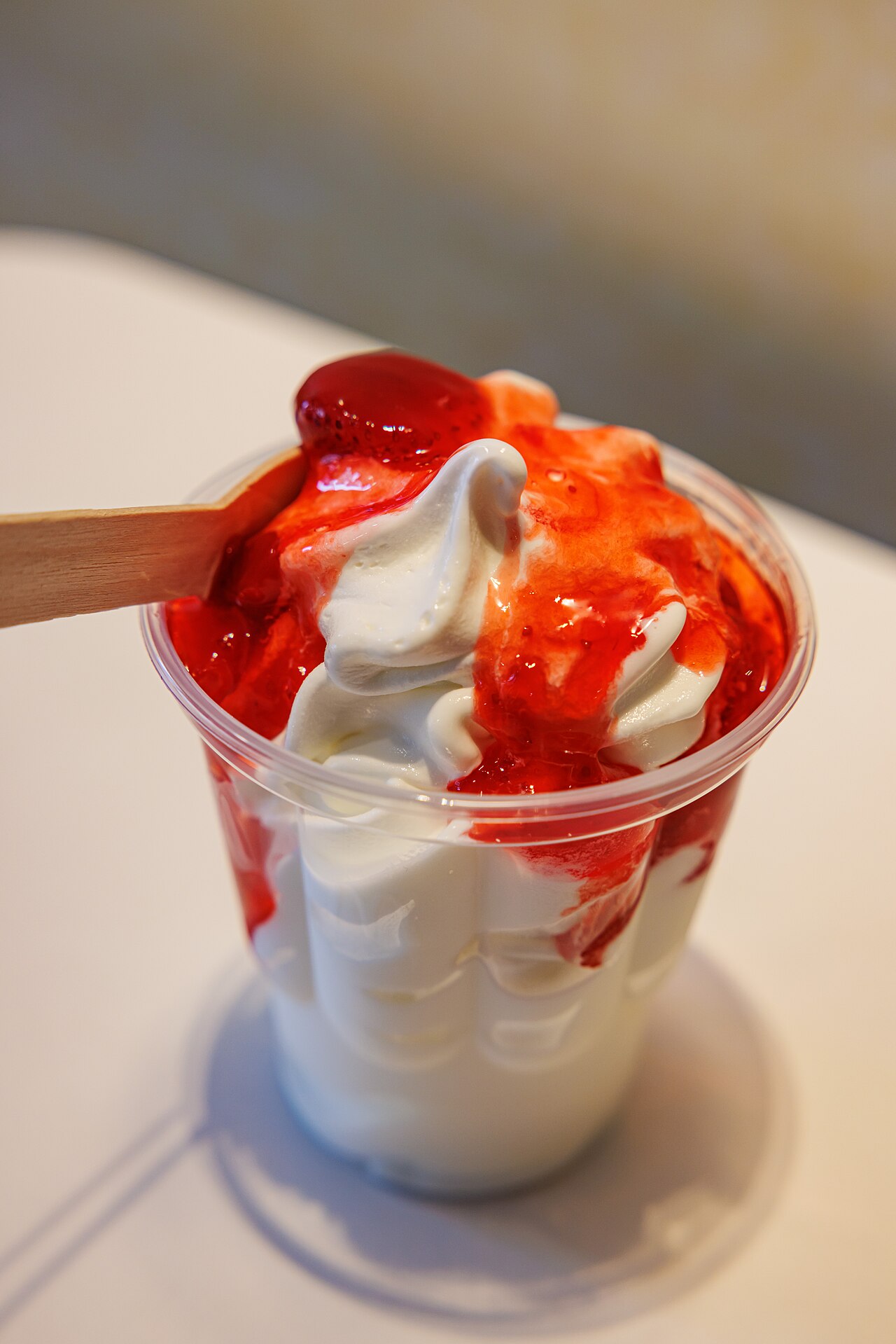
The McDonald's menu has always centered on hamburgers, cheeseburgers, French fries, and soft drinks, with the Big Mac and its fries remaining the most iconic items. Beyond the core, the chain offers chicken products, breakfast items, coffee, desserts, and localized fare adapted to regional markets. Seasonal and limited-time items like the McRib sandwich and the March Shamrock Shake keep the lineup dynamic, while regional offerings such as New Mexico's Hatch Green Chile Double Cheeseburger add local flavor. In 2021, the company trimmed value meals and cheaper items to emphasize higher-priced products. Under CEO Steve Easterbrook, who took the helm in 2015, the U.S. menu was streamlined from nearly 200 items, high-fructose corn syrup was removed from hamburger buns, and artificial preservatives were swapped out of Chicken McNuggets. By September 2018, McDonald's USA announced that seven classic burgers, including the Big Mac and Quarter Pounder, no longer contained artificial preservatives, flavors, or colors, though pickles remained an exception customers could opt out of. In November 2020, the plant-based McPlant burger was announced.
Gallery
Frequently Asked Questions
What are McDonald's's core powers or signature elements?
The chain is defined by its Speedee Service System for rapid food preparation, its iconic Golden Arches branding, and menu staples like the Big Mac and its signature French fries. Together these elements create an instantly recognizable identity wherever the brand appears.
Why is McDonald's considered important in the broader corporate landscape?
It has become a widely recognized emblem of globalization and the worldwide spread of American consumer culture. Its scale and ubiquity make it a reference point whenever people discuss the reach of multinational brands.
How does McDonald's's story end or where does it stand now?
There is no narrative 'ending'—the corporation continues to operate and evolve as a living global enterprise. Its ongoing presence in over a hundred nations keeps its story actively unfolding rather than concluded.
More in Corporations 1-22
Spotted an error? Know more?
This is a living reference — every entry is fact-audited, and reader corrections feed straight into our audit queue. Suggest an edit · See this site's audit record