
Mizuho Financial Group
Japanese megabank formed by merger of three major banks.

via Wikipedia: Mizuho Financial Group · see source
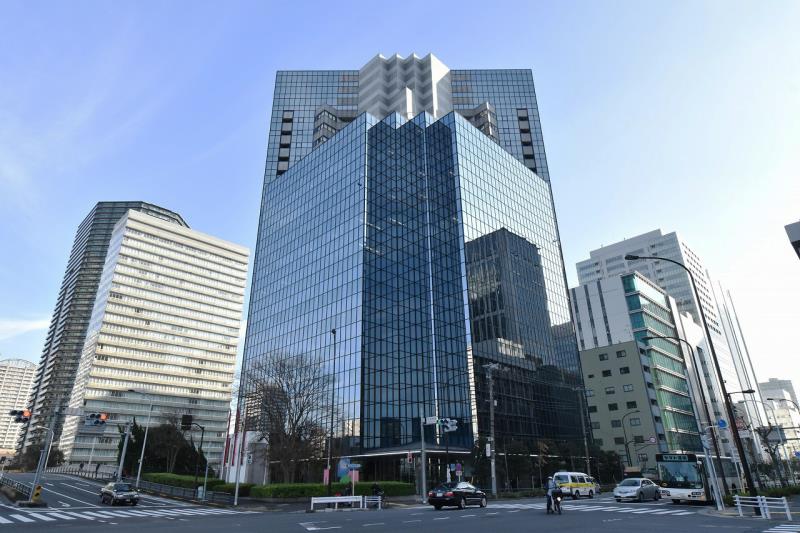
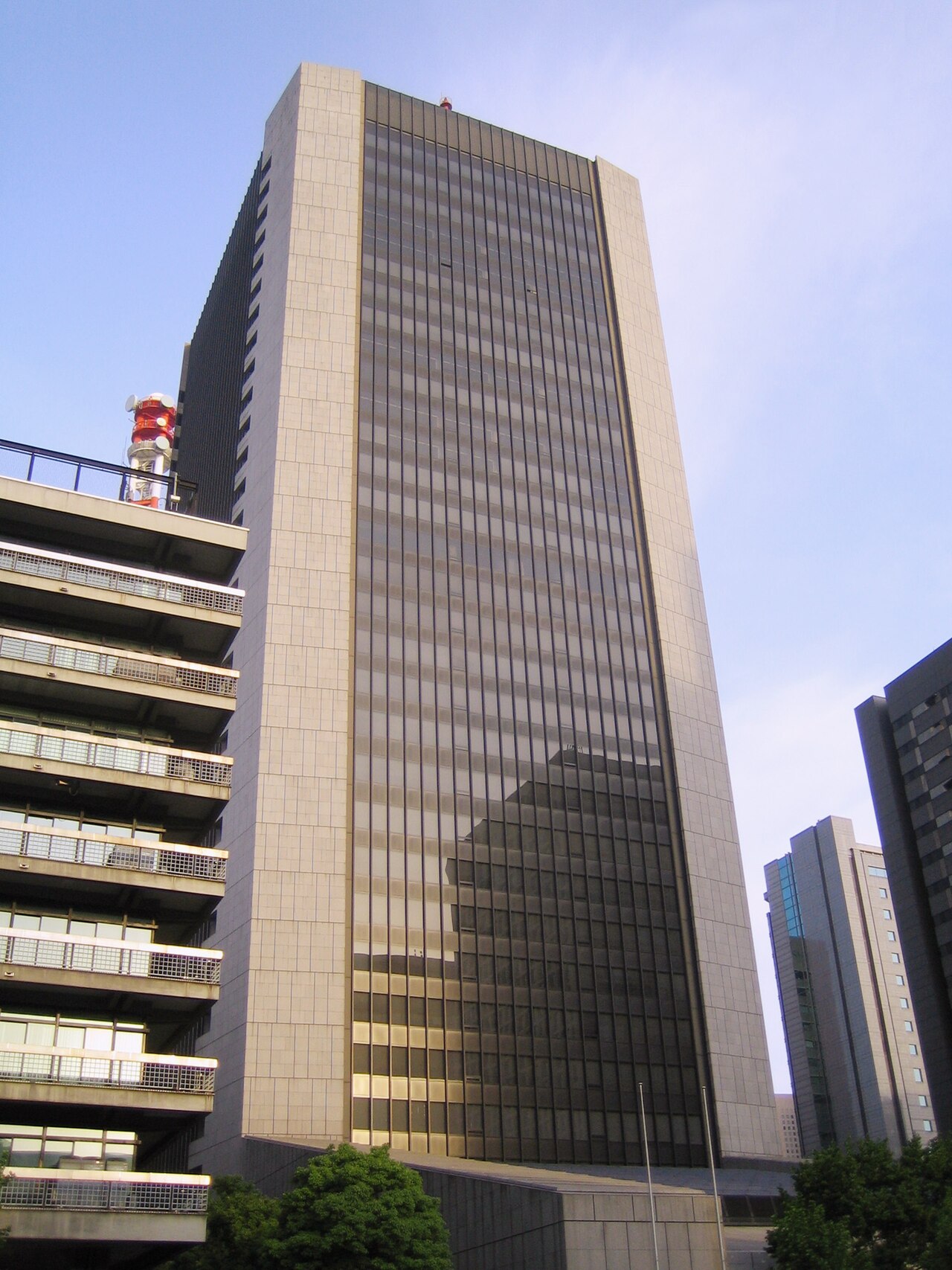
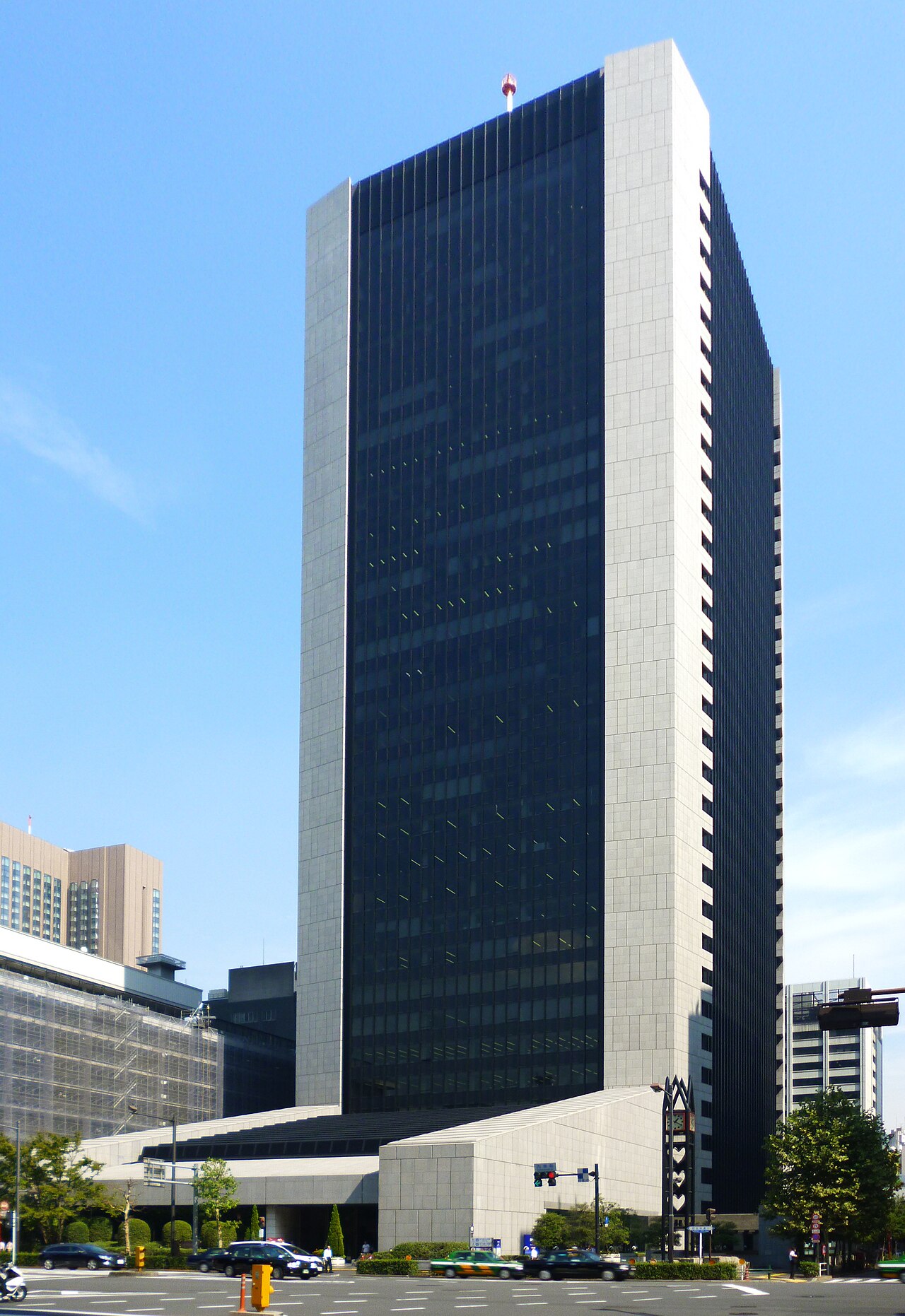
Mizuho Financial Group, Inc. is a Japanese banking holding company headquartered in the Ōtemachi district of Chiyoda, Tokyo, Japan. Formed between 2000 and 2002 by the merger of Dai-Ichi Kangyo Bank, Fuji Bank, and Industrial Bank of Japan, it was initially known as Mizuho Holdings. Upon its founding, Mizuho was the largest bank in the world by assets, surpassing the next largest bank by about $480 billion. It has since become the third-largest of Japan's so-called megabanks with total assets of $1.9 trillion at end-March 2023, behind Mitsubishi UFJ Financial Group ($2.9 trillion) and SMBC Group ($2.0 trillion). The group offers a range of financial services, including banking, securities, trust and asset management services, employing more than 59,000 people throughout 880 offices.
- known_for
- First trillion-dollar banking group; third-largest Japanese megabank
Verified Timeline
Lore & Background
The history of the banks that formed Mizuho combines multiple threads of Japanese financial history, going back to the early Meiji era and particularly the establishment in 1873 of Dai-Ichi Bank, Japan's first modern bank and joint-stock company led by Shibusawa Eiichi. The group also incorporates several of the subsequent National Banks in Meiji Japan, including the 3rd, 6th, 9th, 20th, 22nd, 36th, 40th, 41st, 44th, 58th, 64th, 82nd, 84th, 87th, 103rd, 118th, 130th, and 136th National Banks, as well as Nippon Kangyo Bank (est. 1897) and Industrial Bank of Japan (est. 1902), two institutions founded as policy banks in the Meiji era and converted into commercial banks after World War II. The merger of Dai-Ichi Kangyo Bank, Fuji Bank, and Industrial Bank of Japan was first announced in 1999. On 1 April 2002, DKB, Fuji and IBJ were officially and legally combined into two banks, Mizuho Bank, Ltd. and Mizuho Corporate Bank, Ltd., through a split and merger process. The merger resulted in the world's first trillion-dollar banking group, with $1.2 trillion in assets. In 2003, Mizuho Financial Group, Inc. took over the operations of Mizuho Holdings. On 1 October 2005, all subsidiaries of Mizuho Holdings were transferred to the direct control of Mizuho Financial Group. Mizuho Holdings was then renamed Mizuho Financial Strategy, which now focuses on providing advisory services. Mizuho Financial Group was listed on the New York Stock Exchange under the stock symbol MFG in 2006.
Reader's Guide
Mizuho Financial Group is the parent holding of Mizuho Bank, Mizuho Trust & Banking, Mizuho Securities, and Mizuho Capital, and the majority owner of Asset Management One. It is listed on the Tokyo Stock Exchange—where it is a constituent of the Nikkei 225 and TOPIX Core30 indices—and in the New York Stock Exchange in the form of American depositary receipts. Upon its founding, Mizuho was the largest bank in the world by assets. It has been consistently listed as a systemically important bank by the Financial Stability Board. Mizuho was the 15th largest banking institution in the world by total assets as of December 2018, and the 90th largest company in the world according to Forbes rankings as of May 2017. The group splits its business into four distinct divisions: Retail Group (including Mizuho Bank and Mizuho Capital), Global Corporate Group (including Mizuho Securities), and Global wealth and asset management (including Mizuho Trust & Banking, Mizuho Private Wealth Management, and Asset Management One). Mizuho Bank is the only bank, other than Japan Post Bank, to have branches in every prefecture in Japan, serving over 26 million Japanese households, 90,000 SME customers, and 2500 corporations.
Did You Know?
- The name 'mizuho' literally means 'abundant rice' in Japanese and 'harvest' in the figurative sense.
- Upon its founding, Mizuho was the largest bank in the world by assets, surpassing the next largest bank by about $480 billion.
- Mizuho was the first financial holding company structure created among major Japanese banks.
- Mizuho Bank is the only bank, other than Japan Post Bank, to have branches in every prefecture in Japan.
- Mizuho was the Asian bank that suffered the most losses due to the subprime mortgage crisis, losing seven billion dollars.
The Merger That Redefined Japanese Banking
The story of Mizuho Financial Group begins with a bold strategic decision announced in 1999 and executed between 2000 and 2002: the combination of Dai-Ichi Kangyo Bank, Fuji Bank, and the Industrial Bank of Japan into a single holding entity. This was not merely another consolidation—it was the first time a major Japanese banking group adopted the financial holding company structure, setting a precedent for the broader industry. By April 2002, the three legacy institutions had been legally reorganized into two operating banks: Mizuho Bank, catering to individuals and small-to-medium enterprises, and Mizuho Corporate Bank, serving large corporations, financial institutions, and public-sector clients both domestically and abroad. The result was nothing less than the world's first trillion-dollar banking group, holding $1.2 trillion in assets and outpacing its nearest rival by roughly $480 billion. Unlike other mega-institutions of the era that paired one dominant player with smaller partners, Mizuho brought together three institutions of comparable scale and influence, a distinction that made it the largest mega-bank globally until 2005.
Roots in the Meiji Financial Revolution
The institutional DNA of Mizuho stretches back to the dawn of modern Japanese finance. In 1873, Shibusawa Eiichi helped establish Dai-Ichi Bank—literally 'Number One Bank'—as Japan's first modern joint-stock bank, a milestone in the young Meiji state's push toward economic modernization. Alongside it, the 3rd National Bank was licensed that same year, initially intended for Osaka before relocating to Tokyo in 1876. Over the following decades, a constellation of numbered National Banks—founded across cities like Fukushima, Kumamoto, Okayama, Hachiōji, and Ōtsu—underwent waves of mergers, eventually coalescing into the Yasuda Bank in 1923, which was renamed Fuji Bank in 1948. Two other pillars of the group trace their origins to policy banks created in the late Meiji period: Nippon Kangyo Bank (1897) and the Industrial Bank of Japan (1902), both converted into commercial lenders after World War II. This layered heritage means that today's Mizuho carries within it the accumulated history of dozens of regional and national institutions spanning nearly 150 years.
A Global Giant on Two Continents
At the moment of its creation, Mizuho claimed the title of the largest bank in the world by total assets, a position it held until further global consolidation reshaped the rankings. By the end of March 2023, the group's balance sheet stood at $1.9 trillion, placing it as the third of Japan's three megabanks behind Mitsubishi UFJ Financial Group and SMBC Group. Its international footprint is reflected in dual listings: shares trade on the Tokyo Stock Exchange, where it anchors both the Nikkei 225 and TOPIX Core30 indices, while American depositary receipts give it a presence on the New York Stock Exchange. The Financial Stability Board has consistently designated Mizuho as a systemically important bank, underscoring the critical role it plays in global financial stability. Forbes ranked it the 90th largest company in the world as of May 2017, and by December 2018 it stood as the 15th largest banking institution globally. These markers confirm that Mizuho operates not merely as a domestic lender but as a pillar of the international financial architecture.
The Holding Company Ecosystem
Beneath the Mizuho Financial Group umbrella sits a diversified constellation of specialized subsidiaries, each handling a distinct slice of the financial services spectrum. Mizuho Bank serves individuals and small-to-medium businesses, while Mizuho Trust & Banking, Mizuho Securities, and Mizuho Capital cover trust, securities, and capital-markets operations respectively. The group also holds a majority stake in Asset Management One, extending its reach into wealth and asset management. Together, these entities employ more than 59,000 people across 880 offices, delivering a full suite of services that spans traditional lending, securitization, merger-and-acquisition advisory, security-based investment banking, and syndicated loan arrangements. The name itself—mizuho, meaning 'abundant rice' or figuratively 'harvest'—encapsulates the group's founding ambition: to cultivate a broad, fertile portfolio of financial products for both retail and institutional clients. This integrated structure allows Mizuho to cross-sell services and maintain deep relationships with clients across the entire lifecycle of their financial needs.
Gallery


Frequently Asked Questions
Who is Mizuho Financial Group?
Mizuho Financial Group is a Japanese banking holding company headquartered in the Ōtemachi district of Chiyoda, Tokyo. It was born from the late-2000s consolidation of Dai-Ichi Kangyo Bank, Fuji Bank, and the Industrial Bank of Japan, and it now ranks as one of Japan's three 'megabanks.'
What are Mizuho Financial Group's powers/role?
Operating as a financial holding company, Mizuho commands a sprawling network of banking, securities, and asset-management subsidiaries under a single corporate roof. It also holds the distinction of being the very first institution chartered under Japan's 1997 Bank Holding Company Law, giving it a pioneering regulatory role in the industry.
How does Mizuho Financial Group's story end?
Mizuho's arc is still unfolding; it currently sits as Japan's third-largest megabank by total assets. At the moment of its founding it briefly claimed the title of the world's largest bank, outdistancing its nearest rival by roughly $480 billion.
Why is Mizuho Financial Group important?
It is widely cited as the first trillion-dollar banking group in history, a milestone that reshaped global perceptions of Japanese finance. Its creation also served as the real-world proving ground for the country's new bank-holding-company regulatory framework.
How was Mizuho Financial Group created?
The entity was forged between 2000 and 2002 when three major Japanese banks—Dai-Ichi Kangyo, Fuji, and the Industrial Bank of Japan—merged into a single holding structure. It initially launched under the name Mizuho Holdings before adopting its present corporate identity.
More in Corporations 1-22
Spotted an error? Know more?
This is a living reference — every entry is fact-audited, and reader corrections feed straight into our audit queue. Suggest an edit · See this site's audit record